We very much enjoyed our few days in Adelaide. Ian was a welcoming and gracious host, and it was also lovely to spend some time with our friend Jeanette.

Our first dinner with Ian. Ben was also a guest of Ian. He was in Adelaide to work with the Adelaide Baroque Orchestra.
Carrick Hill was built in the 1930s by Ursula and Edward Hayward. During their honeymoon in England, they purchased many of the fittings and furniture from the Beaudesert Estate in Staffordshire which was to be demolished. As a result, the building contains much oak panelling and furniture dating back to Tudor times. Because Carrick Hill was given to the South Australian government on a 'walk out, walk in' basis, almost all the original furniture and all the gardens surrounding it are intact. It was a great pleasure to explore the house with Jeanette.

Carrick Hill (with part of Jeanette)


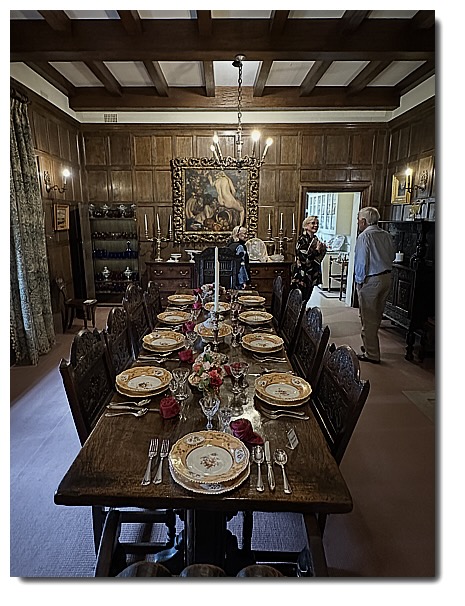
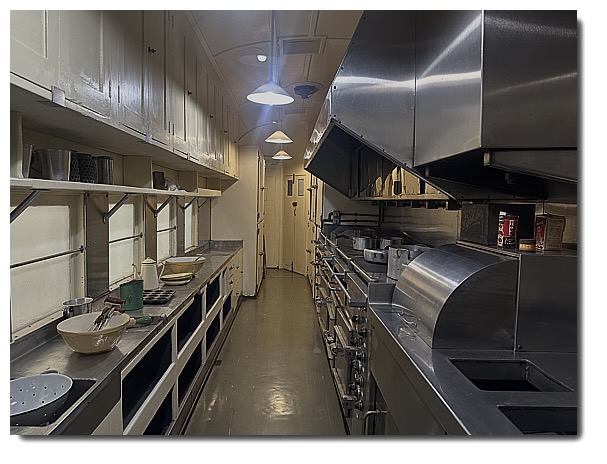
We learned that the kitchen only needed to
be of moderate size because the Haywards didn't have any
children and the dining room only had the capacity for 10
people. Apparently, one had reached the highest social
echelon if one received an invitation to dine at Carrick
House. Lady Ursula preferred to entertain only a few
visitors at once. One was never invited again if one was
deemed to provide boring conversation over dinner! Over
time, the guest list included Sir Kenneth Clark, Robert
Helpmann, Katharine Hepburn, Anthony Quail, Sir Laurence
Olivier and Vivien Leigh, Judith Anderson, Googie Withers
and Barry Humphries.

The Main Bedroom

The bed is of the Tudor period. If you are observant, you will have noted that the panels above the pillows are not decorated to the same extent as the rest of the structure. We learned that beds such as this were incredibly expensive and people liked to receive guests sitting up in bed so that they could see how rich you were. Therefore, the lower panels would have been covered by bolsters and pillows and would not have been seen!

There are many wonderful works of art at Carrick Hill. This screen was designed by the renowned William Morris & Co. in England. It was embroidered by Mary Isobel Barr Smith in Adelaide using Adelaide silk and silk damask. I thought it was absolutely stunning.


The above two photos show details of the screen.

There were many wonderful paintings. This one is "Blue Iris" by Stanley Spencer (1891-1959)

The servants' bells
We also visited the Adelaide Botanic Gardens
with Jeanette.
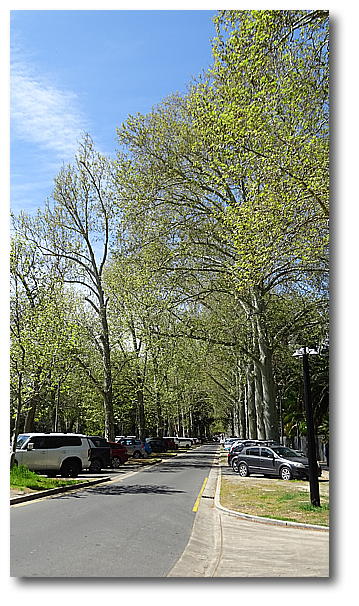



The Gardens are a great place for families!


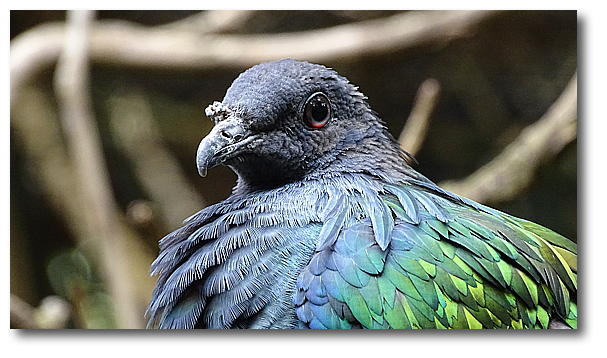
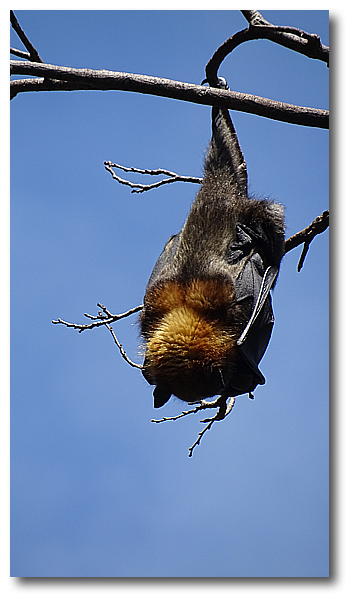
While partaking of Afternoon Tea, kindly provided by Jeanette, we watched this bird enjoy its snack, provided by the couple at this table who were both asleep!!

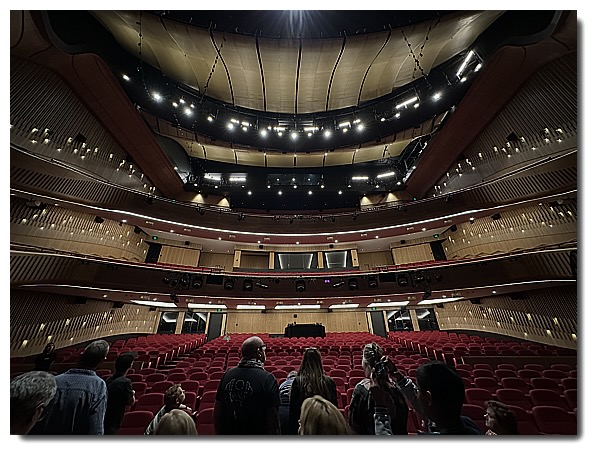
We enjoyed a wonderful concert at Elder Hall performed by the Adelaide Baroque Orchestra with Ben and other talented musicians. Ben is located to the right and below the lower central organ pipes.
Ben, Ian and I (joined later by Jeanette with
her granddaughter, Florence) enjoyed exploring the National Rail Museum at Port
Adelaide. This museum exhibits an eclectic collection of
locomotives, carriages and other railway paraphernalia. It is
very well set out, and all the items are clearly labelled and
described.
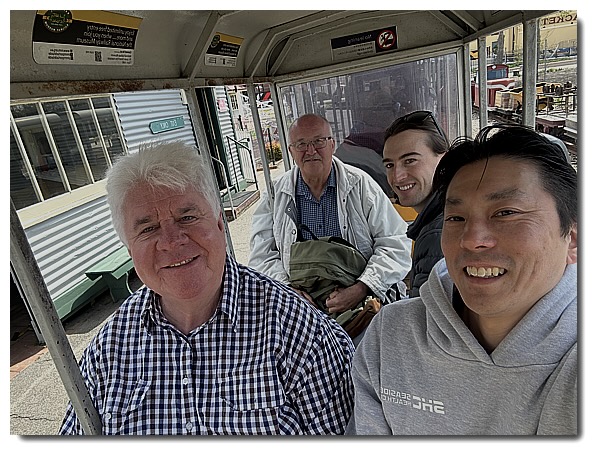



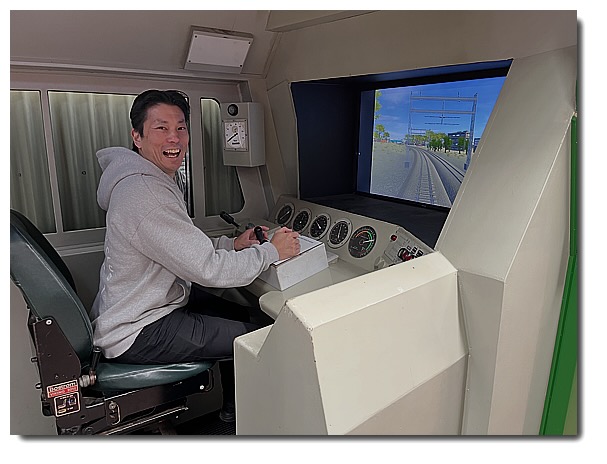
Satoshi enjoying the locomotive driver simulation
Ben and Ian left us at the end of our visit. Jeanette, Florence, Satoshi and I enjoyed lunch at a local eatery before making our way to the nearby South Australian Maritime Museum. This proved to be another excellent museum with much to learn and enjoy.


A model of the S.S. Oronsay. Apparently, Tony Abbott, the 28th Prime Minister of Australia, emigrated, aged 2, to Australia with his family aboard the Oronsay in 1960.